
Meniscus Root Tears – Why early intervention can be important
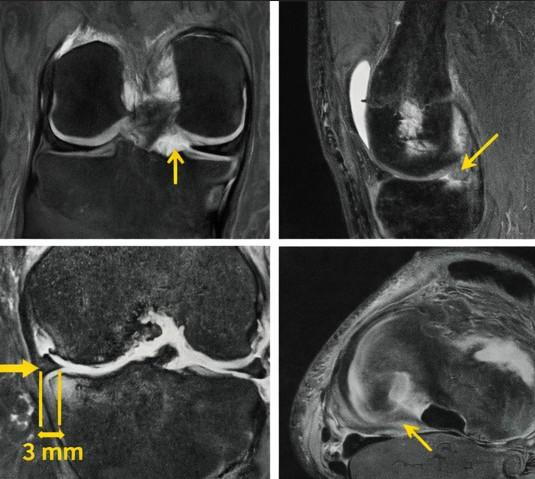

Meniscus Root Tears: Why Early Intervention Matters
The meniscus is a C-shaped piece of cartilage in your knee that acts as a shock absorber, stabilizes the joint, and helps distribute weight evenly across the knee. While meniscus tears are relatively common, meniscus root tears are a specific and more serious type of injury that can significantly affect knee function if left untreated.
What is a Meniscus Root Tear?
A meniscus root tear occurs when the ligament attaching the meniscus to the tibia (shinbone) becomes torn or detached. Unlike a standard meniscus tear, a root tear disrupts the entire function of the meniscus, leading to increased pressure on the cartilage surfaces and a higher risk of early arthritis.
Symptoms of a Meniscus Root Tear
Symptoms can vary depending on the severity of the injury, but often include:
- Pain along the joint line of the knee
- Swelling or stiffness
- A sensation of the knee “giving way”
- Difficulty twisting, squatting, or bearing weight
Why Early Intervention is Critical
Unlike minor meniscus injuries, root tears can accelerate joint degeneration if not addressed promptly. Early intervention can:
- Preserve knee cartilage – Restoring the meniscus function reduces abnormal stress on the joint.
- Prevent early osteoarthritis – Untreated root tears can lead to cartilage breakdown and chronic pain.
- Maintain mobility and function – Timely repair helps patients return to daily activities and spor
Treatment Options
Treatment depends on the severity of the tear, patient age, activity level, and overall knee health. Options include:
- Conservative management – For small or degenerative tears in less active patients, rest, physical therapy, and anti-inflammatory medications may help.
- Surgical repair – Arthroscopic meniscus root repair is often recommended for active patients or tears that threaten knee stability. Repairing the root restores normal biomechanics and can help slow joint degeneration.
Post-Treatment Recovery
Recovery involves a combination of rest, physical therapy, and gradual return to activity. Full recovery can take several months, but patients who undergo timely repair often experience improved knee stability and reduced long-term damage.
The Takeaway
Meniscus root tears are more serious than standard meniscus injuries and can have long-term implications if left untreated. Early diagnosis and intervention are crucial to preserving knee health and preventing arthritis.
At Missoula Bone & Joint, our orthopedic specialists are skilled in diagnosing and treating meniscus root tears. If you experience persistent knee pain, swelling, or instability, don’t wait—schedule an evaluation to protect your knees and maintain an active, healthy lifestyle.